 Crossfiled

Voyager Is a Light-Day Away. Here’s How Far That Really Is
The distance and forces shaping the venerable craft’s trajectory are mind-boggling reminders of the vastness of space.
Crossfiled / Voyager 1
7 stories named Voyager 1, covered by 13 outlets. Each one is shown beside every other newsroom's version of the same event, with a link to the outlet that filed it.
The distance and forces shaping the venerable craft’s trajectory are mind-boggling reminders of the vastness of space.

NASA’s Voyager 1 has reached a record distance of more than 16 billion miles from Earth, 49 years after its launch.
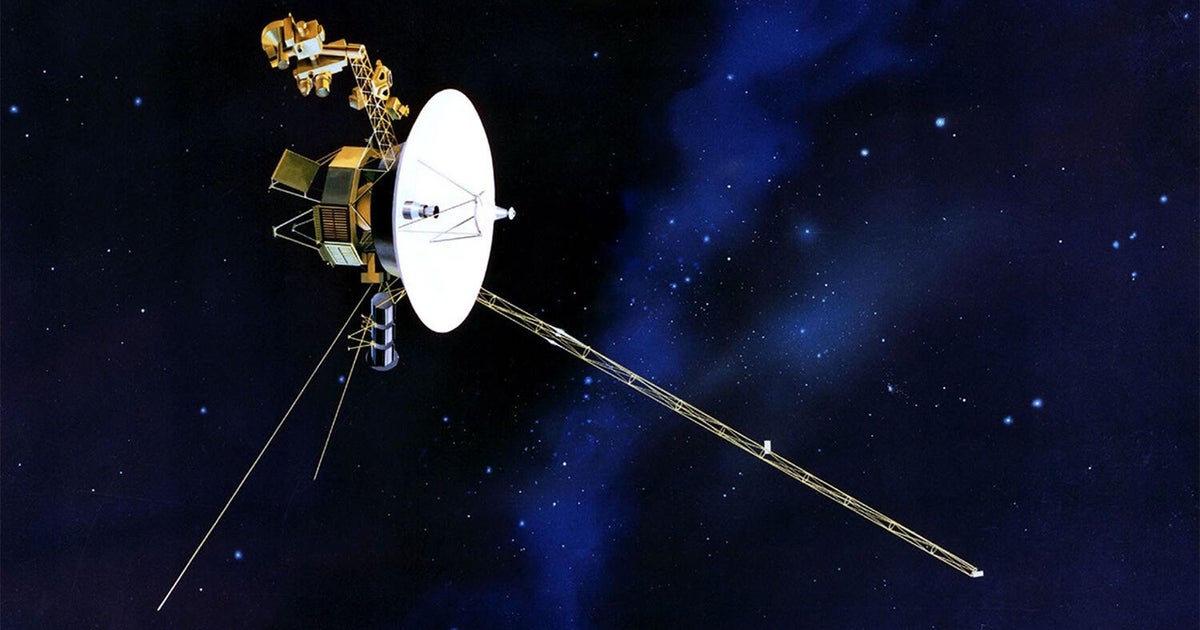
Voyager 1 and its sister ship Voyager 2 are still beaming back data from interstellar space as they near their 50th anniversary next year.
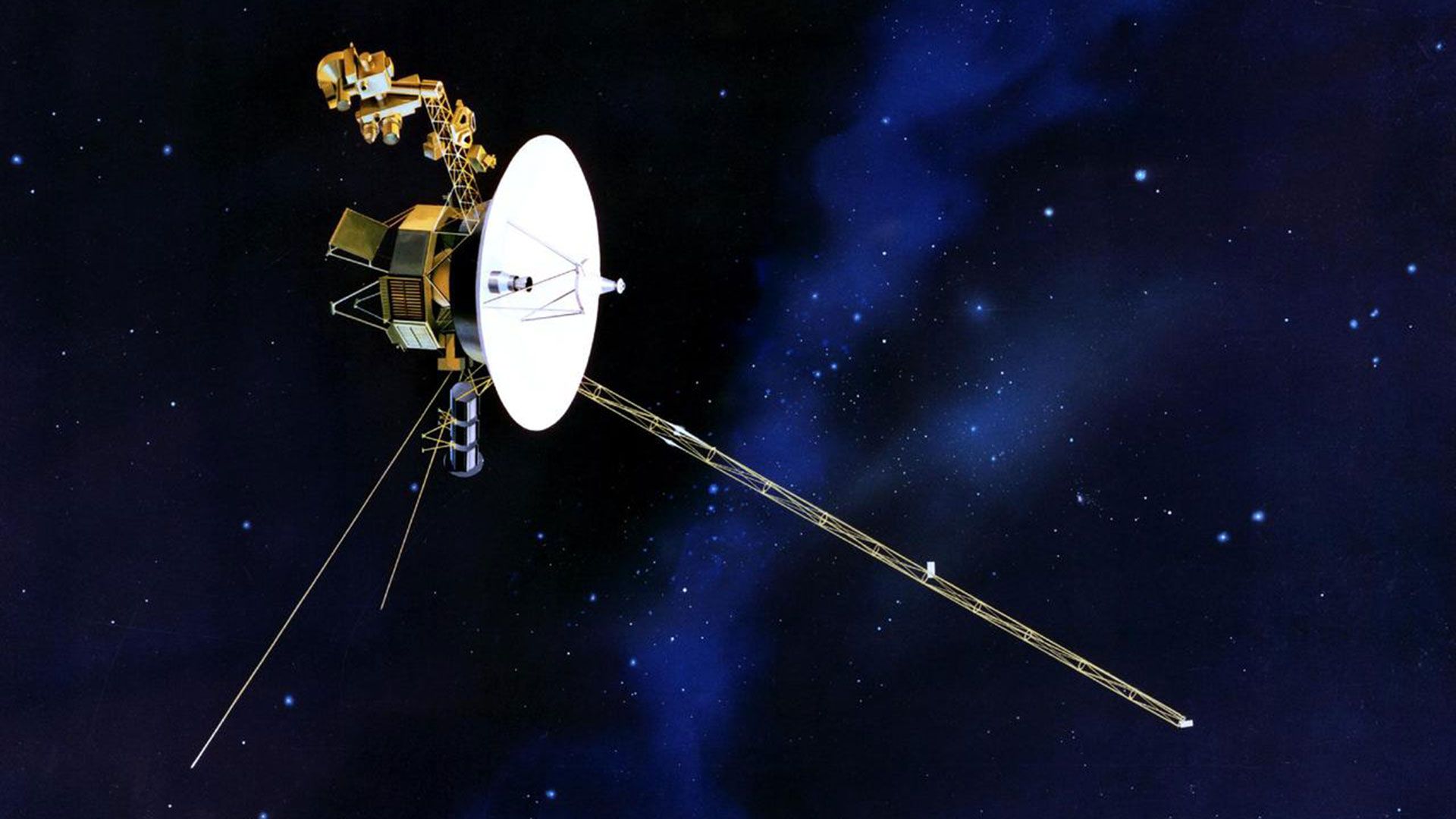
It now takes 24 hours to send a message to Voyager 1, as it reaches a distance that's one light-day away from our planet.

After traveling through the void of space for 49 years, Voyager 1 has hit a momentous milestone: the spacecraft is now officially one light-day away from Earth, which is, as NASA put it, "very, very far." The probe crossed the milepost on Wednesday at 5:16AM ET, and is now 16.094 billion miles away
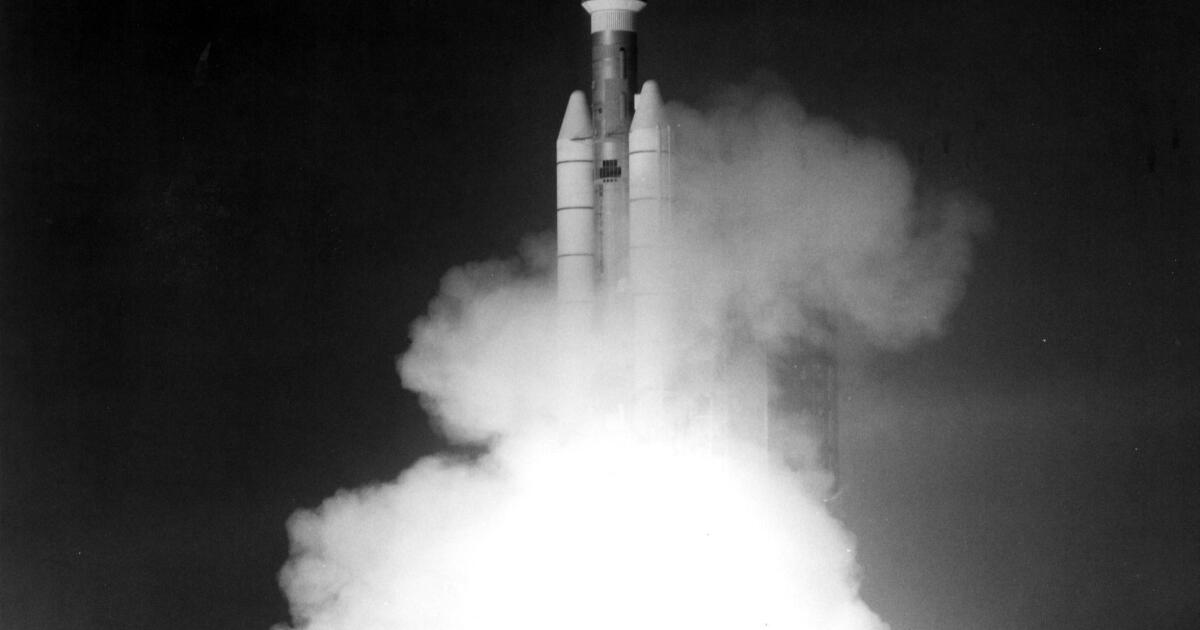
On Wednesday, after half a century in space, the Voyager 1 spacecraft will be so far from Earth, it will take a full day for light to travel between it and Earth. It's "a tribute to the engineers who designed something that can last that long," said the last person to lay hands on the spacecraft.
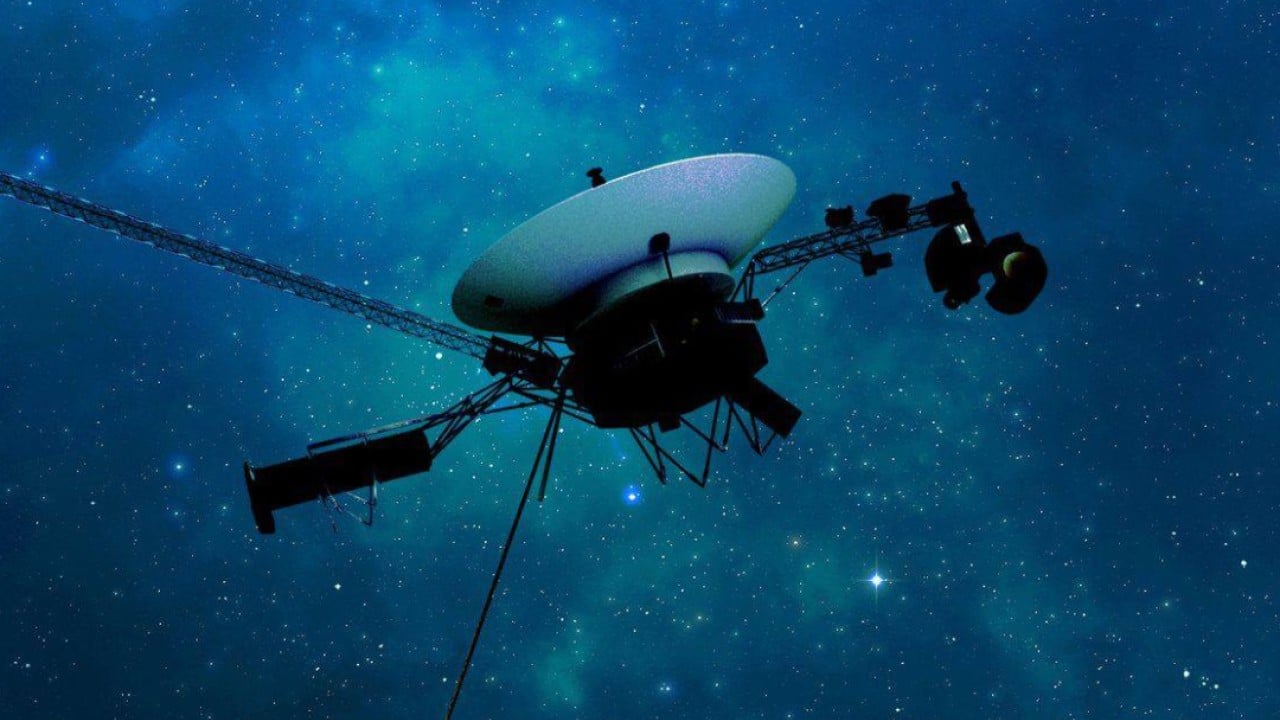
On Wednesday, November 18, almost half a century after it lifted off from Cape Canaveral, the Voyager 1 spacecraft will cross a technological and astronomical milestone when it hurtles beyond one light-day’s travel time from Earth. It’s also a 26-billion-kilometre milestone, as that is the approxima
Get the 5 stories every outlet is covering, every morning. Free.
One email a day. Unsubscribe in one click. We host no journalism and never sell your address.